
Why Airport Food Costs So Much (and the Price Rules Most Travelers Never Hear About)
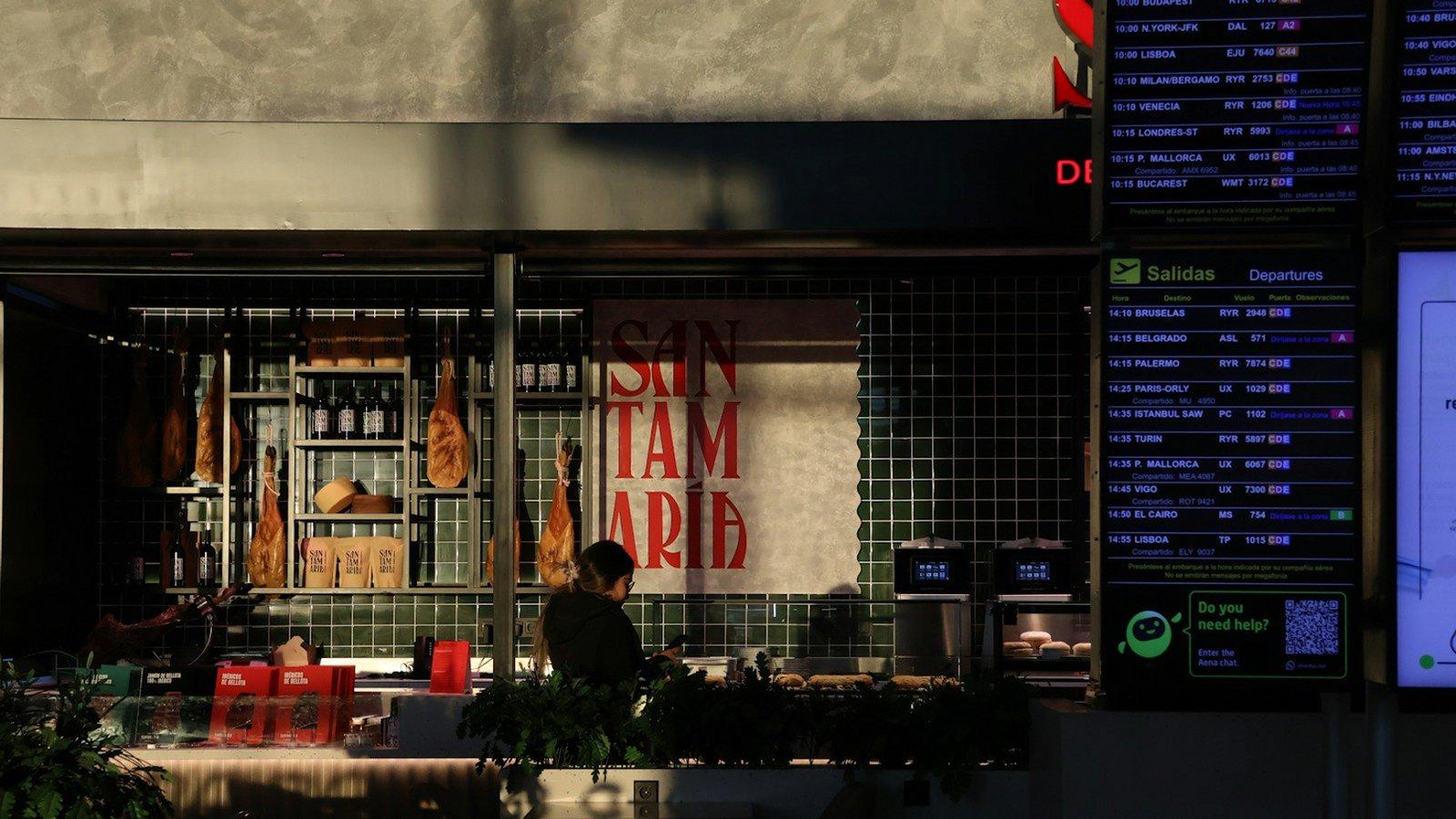
Most travelers assume an airport can charge whatever it likes for a sandwich because you have nowhere else to go. At most large U.S. airports, that isn’t how it’s supposed to work. The airport’s contracts with its restaurants and shops usually limit how far prices can climb above what the same things cost in town, often to 10% or 15% more. Few travelers have heard of these rules, and recent reporting suggests they are loosely enforced.
Here is how airport pricing rules work, what recent investigations found, which airports get it right, and the simple habits that keep a layover from costing $30 in snacks.
The short version
- Most big airports cap markups. 80% of large-hub airports in a 2025 industry survey use “street pricing plus” a set percentage. Caps are usually 10% or less and top out around 18%.
- The caps are contract terms, not laws. They live in leases and airport rules, and the penalty for breaking them is a contract penalty, not a ticket.
- Vendors often help choose what they’re compared against, which is one reason prices can sit well above what you’d pay down the street and still pass.
- A few airports do it well. Portland (PDX) allows no markup at all, and Pittsburgh has run street pricing since 1992.
- You can push back. Bring an empty bottle and your own snacks, look for value items, and report a price that looks wrong to the airport, not just the cashier.
What “street pricing” means
Airports lease space to restaurants and shops, and the lease usually says how prices are set. The most common rule is street pricing plus: a vendor may charge what comparable stores outside the airport charge, plus a set percentage to cover the higher cost of operating in a terminal. A stricter version, plain street pricing, allows no markup at all.
These rules are the norm, not the exception. In Airports Council International-North America’s 2025 concessions survey, which covers 2024, 77% of responding airports and 80% of large hubs said they use street pricing plus a percentage. Smaller shares use street pricing alone or compare against other airports. Of the airports that reported a cap, most set it at 10% or less; the highest was 18%.
The rules at a few major airports
| Airport | Rule |
|---|---|
| Portland (PDX) | Street pricing with no markup: you pay what you would outside the airport. |
| Pittsburgh (PIT) | Street pricing, in place since the Airmall opened in 1992. |
| Chicago O’Hare (ORD) | “Value pricing”: the same price as approved comparison stores in the city, with no set markup. |
| Denver (DEN) | Up to 15% above the nearest similar location. |
| San Diego (SAN) | Up to 15% above three local comparable businesses. |
| JFK, LaGuardia, Newark | Up to 15% above street price since January 2025, plus a surcharge of up to 3% of the bill. It was 10% before. |
| Los Angeles (LAX) | Up to 18% above street price, per a 2025 policy brief. |
So why is the water still $7?
A cap only works if the “street price” it starts from is honest, and that is where the rules bend. At many airports, vendors propose their own comparison stores and the airport approves them. When 9NEWS in Denver compared prices inside and outside Denver International in February 2026, it found many items above the 15% limit, some by far more. Denver’s concessions chief told the station that most of those prices had been approved by the airport under its policy. Later coverage reported that vendors had picked pricier comparisons, such as competitors instead of their own outside locations, or upscale grocery stores for soda. In Jacksonville this July, Action News Jax found a phone charger priced at $27.99 inside the airport against $9.88 at Walmart, and a retailer that had benchmarked against a hotel shop.
Other costs sit on top. Airports take a share of each vendor’s sales as rent, and some add surcharges, like the New York-area airports’ new fee of up to 3% for worker pay and benefits. Brian Shearer, a former Consumer Financial Protection Bureau official who now studies price gouging, said on a November 2025 call that much of the markup is effectively the airport charging a tax on every purchase.
It also helps to know that many different storefronts belong to a handful of companies. Avolta, the Swiss company behind HMSHost restaurants and Hudson newsstands, says it holds roughly a third of the U.S. airport retail and food market. HMSHost alone says it runs over 1,000 locations at nearly 80 North American airports. SSP America operates in more than 50 airports, and OTG runs terminals including LaGuardia’s Delta terminal. Avolta reported core net profit of 645 million Swiss francs for 2025.
What the latest investigation found
In November 2026, the nonprofit news outlet More Perfect Union published an investigation in which its reporter, Alec Opperman, priced snacks, drinks and chain-restaurant meals at several U.S. airports, starting in New York, and compared them with nearby street prices. The outlet reported at least 57 menu items priced above the 15% caps that applied. It found some of the steepest markups at airport convenience stores, including a bottle of Smartwater it said cost more than 90% above nearby stores. Chain restaurants tended to sit closer to their caps, and a few items came in at or below street prices.
The outlet itself notes that its sample wasn’t random: reporters picked items partly out of sticker shock. Its figures haven’t been independently reported, so treat them as one newsroom’s spot check, not an audit. A broader comparison points the same way, though. Upgraded Points checked the same five Starbucks items at 53 airports and nearby city stores in July 2026 and found airport orders cost 26.5% more on average. The gap ran from over 50% at Charlotte, Las Vegas, Phoenix, Denver and Houston to nearly nothing at Portland (about 4%) and Pittsburgh, where the airport was slightly cheaper than the city.
The $27 beer, and what enforcement looks like
The best-known case is a 23-ounce beer that rang up at $27.85 in LaGuardia’s Terminal C in the summer of 2021, after a traveler posted the receipt online. In May 2022, the Port Authority’s inspector general found that 25 customers had paid $23 or $27 for beers, partly because of a 10% “COVID recovery” surcharge stacked on an already high price. OTG, which runs the terminal’s concessions, called it a clerical error and refunded the customers.
The Port Authority then rewrote its pricing manual. Vendors now file their pricing documents, terminal operators spot-check their top-selling items every quarter, and the Port Authority runs its own checks, including unannounced ones after complaints. Vendors get 48 hours to fix a violation before products can be pulled and damages charged. Other airports work the same way: San Diego’s rules allow secret shoppers and fines, and repeat overcharging can put a vendor’s lease in default.
Is overcharging at the airport illegal?
Usually it breaks a contract rather than a law. Airport pricing caps are lease terms between the airport and the vendor, so the airport enforces them, not the police or a court on your behalf. State price-gouging laws mostly apply only during declared emergencies.
That may be changing at the edges. A November 2025 report from Vanderbilt’s Policy Accelerator argues that gouging captive customers, at airports and elsewhere, already counts as an unfair practice that state attorneys general and the Federal Trade Commission could pursue. In Colorado, the Denver findings fed into a 2026 bill aimed at “unreasonably excessive” prices charged to captive customers. In 2025, ten members of Congress asked appropriators to have the FTC study airport and stadium concession prices. We could not confirm that either effort became law.
How to spend less at the airport
- Bring an empty water bottle. It goes through security empty, and most terminals have fountains or filling stations past the checkpoint. This one habit beats any markup cap.
- Pack real snacks. TSA allows solid food through the checkpoint. Liquids over 3.4 ounces, yogurt and drinks included, are the catch.
- Look for the value items. At JFK, LaGuardia and Newark, vendors must offer a share of value-priced items, including a 16 to 20 ounce water for $2 or less. If you can’t find one, ask.
- Check the chain’s own app. If a national chain’s airport price looks far above what its app shows for a store in that city, that’s worth noting, especially at an airport with a cap.
- Keep the receipt and report the price to the airport. The cashier rarely sets prices. At the New York-area airports, vendors must post a sign about the street-pricing policy and contact details for comments, and price complaints are supposed to get an answer within 48 hours. Elsewhere, use the airport’s customer service page or desk, or tag the airport on social media, which the Port Authority itself has encouraged.
- Eat before you leave, or on the far side of a short connection. A meal at home or near your hotel is almost always cheaper and better than one at the gate.
For families and groups, it adds up fast
A $7 water is an annoyance for one traveler. For a family of four on a delayed connection, or a group of twenty, airport food can become one of the trip’s bigger line items. Packing snacks and bottles for everyone, and building real meals around flight times, saves more than most people expect. If you’d like someone else to plan the flights, timing and the rest of a group trip, tell us about it. There is no planning fee for standard trips; suppliers pay us when you book. For the other things airlines owe you, see what airlines owe you for lost or delayed luggage.
Sources
- Airports Council International-North America, 2025 Concessions Benchmarking Survey.
- Port Authority of New York and New Jersey, street pricing regulation (2025), concessionaire street pricing manual (2022) and value-for-money standards; New York Governor’s Office, November 12, 2024 announcement.
- Chicago Department of Aviation, sample concessions lease, section 4.3.
- Portland International Airport, doing business at PDX; Pittsburgh International Airport, how PIT transformed its concessions program, August 25, 2025.
- San Diego County Regional Airport Authority, Concessions Operation Standards, August 2025.
- Denver Gazette, 9NEWS compared food prices inside and outside Denver’s airport, February 12, 2026; Colorado Politics, push to regulate high concession prices in Colorado, February 13, 2026; TheStreet, February 28, 2026.
- Action News Jax, JAX airport “street plus 10%” prices, July 13, 2026.
- More Perfect Union, This Water Bottle Is Illegal: How Airports Get Away with Price Gouging You, November 2026, and the accompanying video by Alec Opperman.
- Upgraded Points, airport Starbucks price markups, prices collected July 2026.
- CBS News, the $27 LaGuardia beer; Fortune, May 17, 2022.
- Groundwork Collaborative, street pricing policy brief, March 2025.
- Vanderbilt Policy Accelerator, report on price gouging at airports, stadiums and hospitals, November 2025.; The Capitol Forum, conference call with Brian Shearer, November 21, 2025.
- Avolta, full-year 2025 results; HMSHost fact sheet; SSP America locations.
- Transportation Security Administration, What Can I Bring? Food.