
Why Corporate Retreats Fail: 7 Failure Modes (and the Fixes)
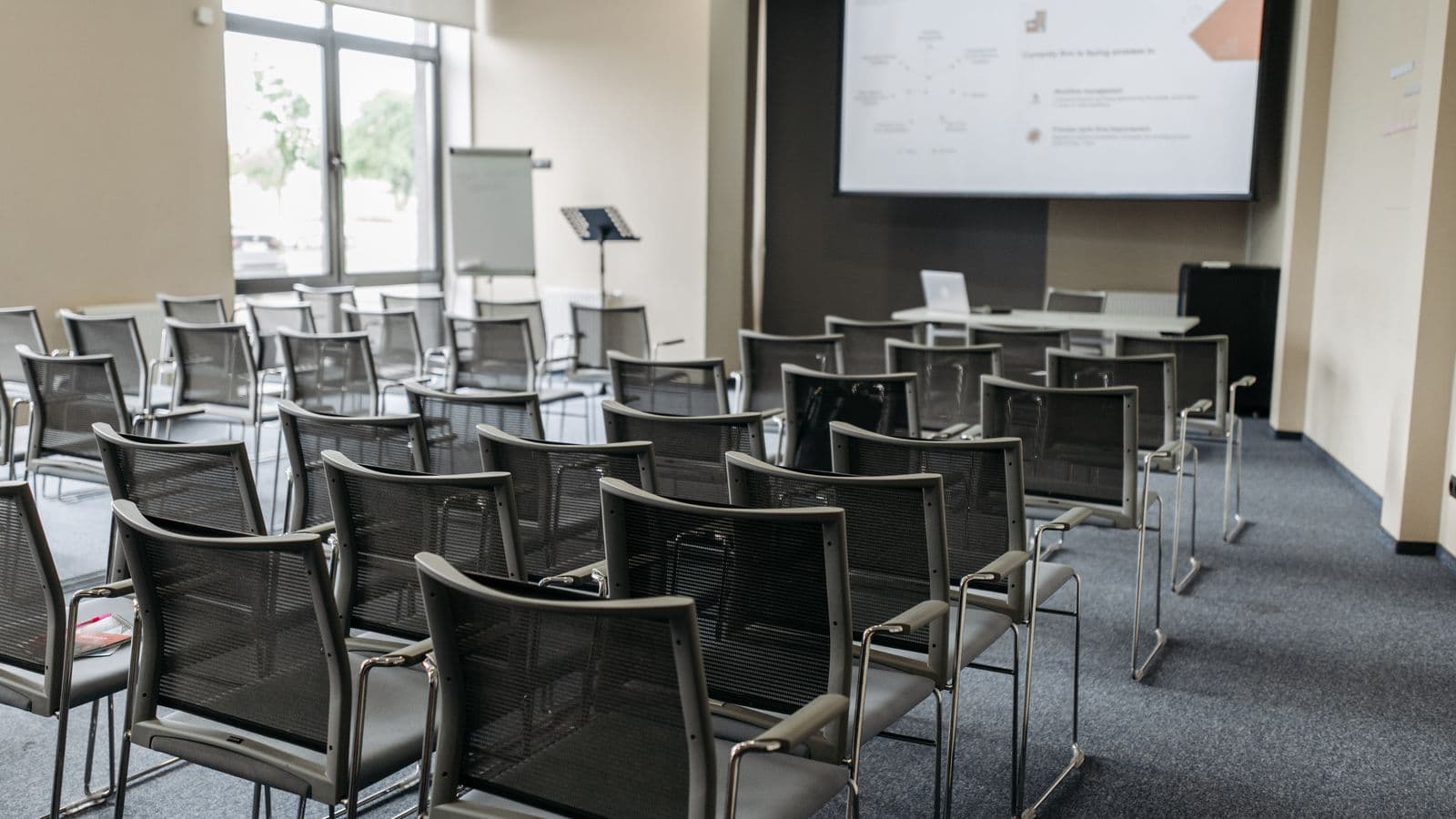
Everyone has been on the bad retreat. The trust falls nobody wanted. The "optional" 7am hike that wasn't optional. The CEO monologue in a windowless conference room that could have been — and later was anyway — an email. Three days later everyone flies home tired, a little resentful, and behind on work.
Here's the thing the horror stories miss: almost none of these failures happen at the retreat. They're designed in, weeks or months earlier, by decisions that seemed harmless at the time. Which is good news — it means every one of them is avoidable, and avoidable early, when changes are still cheap.
These are the seven failure modes we see most, roughly in order of how much damage they do.
1. The retreat has no job
The most common failure, and the parent of most of the others. Someone decides "we should do a retreat" — because it's been a year, because the competitor did one, because remote morale feels low — and the event becomes the objective. Destination gets picked, venue gets booked, and only then does someone ask what the three days are actually for.
A retreat without a job becomes a container for everyone else's agenda: HR adds a workshop, the CEO adds a strategy session, sales adds an awards dinner, and you get failure mode #2.
The fix: one written objective before anything is booked. Connection, decision, or celebration — pick a primary. A retreat can do two of these; it cannot do all three equally. (How to measure whether it worked is its own topic — we cover that in measuring corporate retreat ROI.)
2. The agenda is packed like a conference
The instinct is understandable: flights and hotels are expensive, so every hour must be "used." The result is 9-to-6 programming, working meals, and an evening activity — a schedule that would be exhausting in your own office, now run on jet lag.
It fails because it spends the retreat's scarcest resource on its cheapest output. Presentations transmit fine over Zoom. What doesn't transmit over Zoom is the unstructured time — the long dinner, the walk between sessions, the conversation that solves a six-month-old friction because the two people finally sat next to each other. Pack the agenda and you've flown everyone to a resort to eliminate the only thing the resort was for.
The fix: plan roughly a third of waking hours as genuinely free, and treat that ratio as load-bearing, not slack to be reclaimed when a VP wants another session. One anchor per day — a working block, an activity, a great dinner — is a full day.
3. Forced fun (and its quieter sibling, exclusion by design)
The activities failure has two forms. The loud one is mandatory fun: improv workshops, trust exercises, anything where adults are made to perform enthusiasm. People don't bond during forced vulnerability; they bond during optional, low-stakes shared experience.
The quiet one does more damage: activities that exclude by design. The all-day hike that humiliates the least fit person in the room. The drinking-centered evenings that leave sober colleagues, parents on early calls home, and half your introverts on the outside of every inside joke by day two. Nobody complains at the time. It all shows up later, in who felt like the retreat "wasn't really for them."
The fix: default activities to opt-in with a real alternative (including "pool and a book"), make at least one marquee activity fitness- and alcohol-neutral, and let people self-select into intensity. The catamaran with a good lunch keeps beating the ropes course for a reason.
4. Leadership treats it as their stage
A retreat where executives present for three days is a conference. A retreat where the leadership team huddles separately at every break — visibly having the real meeting — teaches everyone else exactly where they stand. Both versions send the same message: this event is being done to you, not with you.
The fix: cap leadership stage time, then deliberately mix the informal time — meal seating, activity groups, who rides in which van. The org chart already governs the other 51 weeks.
5. The travel plan eats day one (and the goodwill with it)
This is the failure mode we're closest to, because we're usually the ones called after it happens once.
The pattern: flights booked individually with no arrival window, so people trickle in across eight hours and the "kickoff dinner" happens in shifts. A destination that's two connections deep for half the team, so a quarter of your company arrives having been awake for twenty hours. No ground transfer plan, so thirty people negotiate taxis in a language they don't speak. A hotel that split the group across two properties, so half the team is a shuttle ride away from every spontaneous moment — the exact thing the retreat was supposed to produce.
None of this is exotic. It's the default outcome of treating group travel like individual business travel, and it quietly converts day one — sometimes day two — from retreat time into recovery time you paid retreat prices for.
The fix: screen destinations by airport access from your people's actual cities before you look at a single photo (our destinations guide filters this way deliberately), book air around a target arrival window, keep the whole group in one property, and schedule day one as if everyone will be tired — because they will be. This layer is most of what a group travel partner does; the planning checklist shows the full timeline.
6. The budget dies in the wrong places
The failure isn't overspending — it's misallocation. The money goes to venue prestige and production value (the things that impress in photos) while the line items that actually drive outcomes — shared meals, the one great activity, comfortable travel — get trimmed to fit. The team notices, because the team always notices: a stunning lobby doesn't compensate for a red-eye with two connections.
The fix: protect the spend that creates time together; cut the spend that decorates it. The full anatomy of where retreat money leaks — attrition clauses, à la carte everything — is in the cost breakdown, so we won't repeat it here.
7. Nothing happens afterward
The retreat ends, everyone posts their photos, and by the following Thursday it's as if it never happened. Decisions made in the room don't get written down. Commitments don't get owners. The new cross-team relationships get no follow-up surface to live on. Six months later, someone asks what the retreat achieved, and nobody can point to anything — which is how retreat budgets die.
The fix is embarrassingly small: a one-page written summary of decisions and owners within a week, one 30-day follow-through check, and calendar space for whatever the retreat started. The retreat creates momentum; the two weeks after decide whether it compounds or evaporates.
The pattern behind all seven
Run the list back and one thing stands out: every failure is a pre-departure failure. No job, packed agenda, exclusionary activities, leadership staging, travel chaos, misallocated budget, no follow-through plan — all decided (or defaulted into) before anyone boards a plane. The retreat itself just reveals the choices.
Which is genuinely encouraging. You don't need better luck or a bigger budget to avoid the bad retreat. You need the objective written down, a third of the schedule left empty, activities people can opt into, and a travel plan built for groups. The rest tends to take care of itself.
Get the part we do right
We can't run your strategy session. What we can do is make sure failure mode #5 never touches your retreat — destination screening by airport access, one hotel with a real group block, air coordinated around an arrival window, and transfers that just work.
Plan a retreat that lands → (mention "corporate retreat" and your headcount). We'll come back with destination options and a per-head budget, usually within 48 hours.
Travel Connects is a Florida-based, full-service travel agency. FL Seller of Travel Reg. No. TI125330. CA Seller of Travel Reg. No. 2089491-50.
Related reading: Corporate Retreat Checklist: The 4-Month Timeline (2026) · How Much Does a Corporate Retreat Cost? · 12 Corporate Retreat Destinations, Ranked by Cost (2026)