
Is That Flight or Hotel Price Set Just for You? What AI Pricing Really Does, and How to Pay Less
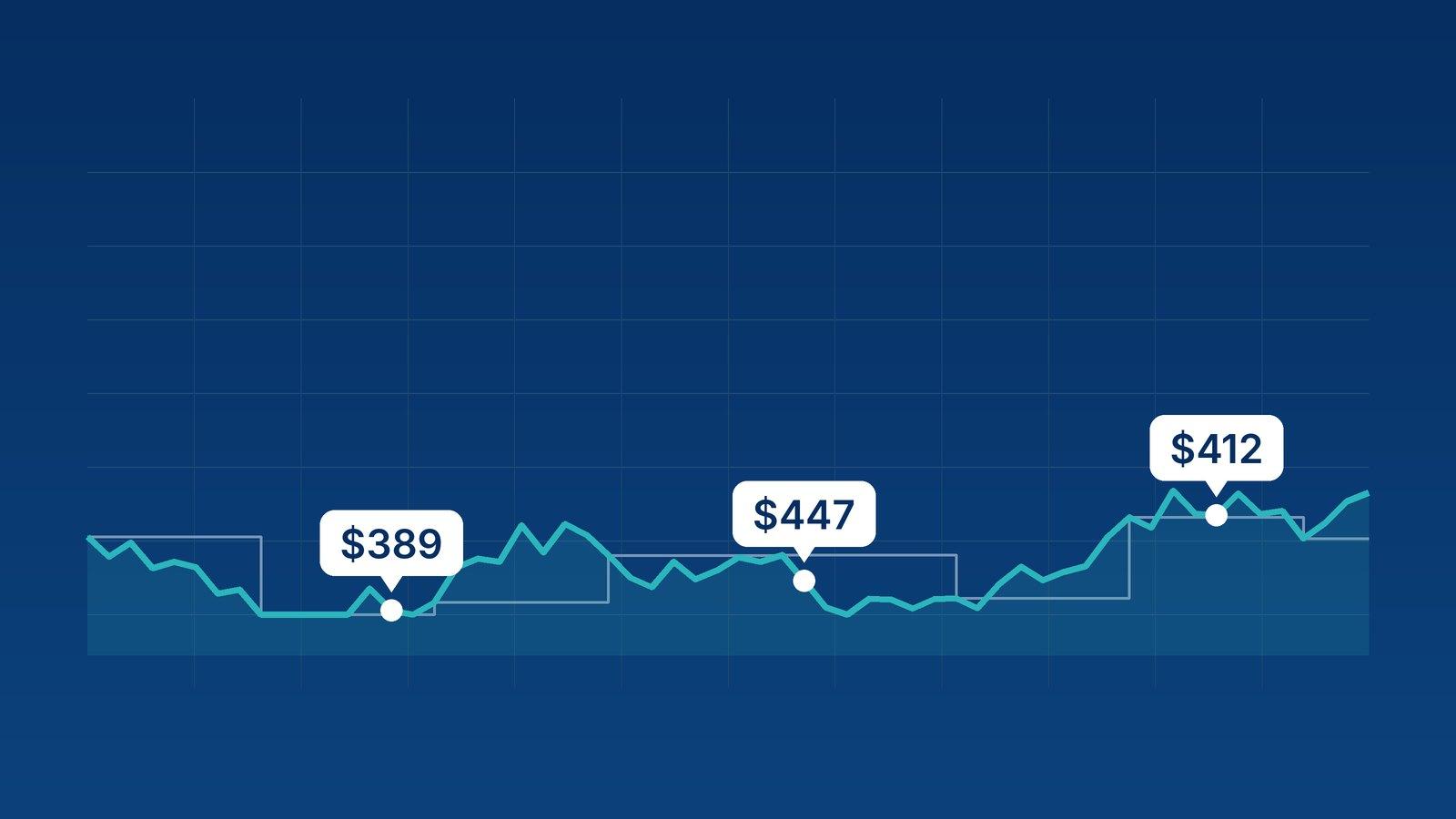
You search a flight, come back an hour later, and the fare is $40 higher. It’s natural to wonder whether the airline saw you coming. Most of the time, the honest answer is no: the price moved for everyone, because demand moved. But some travel pricing really does change with who you are, how you search, and which software sits behind the screen, and regulators and courts have started to step in.
Here is what’s actually documented, what’s still a myth, and the habits that keep the algorithms from setting your budget for you.
The short version
- Most swings are dynamic pricing. Airlines and hotels change prices with demand, and everyone searching at that moment sees the same number.
- Personalized pricing is real, but narrower than the headlines. Researchers have caught travel sites showing different prices or results to members, mobile users and Mac users. We found no public evidence of a U.S. airline pricing fares off your personal data.
- The bigger risks are quieter: fees left out of the first price, rankings that push pricier options to the top, and shared pricing software that courts are now examining.
- The rules are catching up. Hotels must now show the total price up front, and New York requires a warning label on prices set with your personal data.
- You have real levers: compare total prices, check the same search two ways, look at the hotel’s own site, and book refundable so you can rebook if the price drops.
Three kinds of “AI pricing,” and why the difference matters
Dynamic pricing changes the price for everyone as conditions change: how many seats or rooms are left, how close the date is, what competitors charge, a convention in town. Airlines and hotels have done this for decades, and AI mainly lets them do it faster and in smaller steps. It can feel personal when you watch a fare jump, but it isn’t aimed at you.
Personalized pricing (regulators also call it surveillance pricing) sets or arranges prices for a specific shopper based on data about them: location, device, browsing history, past purchases. A close cousin is steering, where the price of each room stays the same but the site shows you pricier options first.
Shared pricing software is the newest concern. When competing hotels feed their data into the same pricing tool and follow its recommendations, critics argue the software can work like a price agreement nobody had to say out loud.
What has actually been documented in travel
Travel sites treating shoppers differently. In 2014, Northeastern University researchers tested 16 major shopping sites, six of them travel sites, with real users’ accounts and controlled test accounts. They found that Cheaptickets and Orbitz offered reduced hotel prices to logged-in members, that Expedia and Hotels.com ran tests steering some users toward more expensive hotels, and that Travelocity personalized results for mobile users. The same paper notes that Orbitz had earlier steered Mac users toward pricier hotels by ranking them higher, and dropped that approach after about a month. Notice the direction: sometimes the personalized result was the better deal.
Airlines testing AI to set fares. In a July 21, 2025 letter, Senators Ruben Gallego, Richard Blumenthal and Mark Warner pressed Delta about plans, reported that month, to use AI pricing from the company Fetcherr across 20% of its domestic network by the end of 2025. The senators themselves asked what that 20% referred to. Delta told reporters at the time that no fare product it has used, is testing or plans to use targets customers with individualized offers. As of this writing, that is the state of the record: AI-driven fares, yes; fares built from your personal file, not shown.
Regulators looking at the data trade. In January 2025, Federal Trade Commission staff released initial findings from a study of six companies that sell pricing and personalization tools, including Mastercard, Accenture, PROS and McKinsey. Staff said these firms’ tools can use details such as location, demographics, browsing and shopping history, and even mouse movements, and that they served at least 250 clients. Two caveats: these were interim staff findings approved on a 3-2 vote, and the FTC’s release did not single out travel.
Hidden fees: the oldest trick, now with a rule
For hotels and vacation rentals, the most common way a price “changes” is still a fee that appears late in checkout. Since May 12, 2025, the FTC’s Rule on Unfair or Deceptive Fees requires hotels, motels, inns and vacation rentals, including listings on platforms like Airbnb and VRBO, to show the total price more prominently than any other price. Mandatory resort fees and other required charges belong in that total. Government taxes and optional extras may be shown later, but before you pay. Marriott had already agreed to show total prices in settlements with Pennsylvania’s attorney general in 2021 and Colorado’s in 2024.
Airfare is not covered. A 2024 Transportation Department rule that would have required airlines to show bag and change fees at the first fare display was thrown out by a federal appeals court, and in July 2026 the department formally returned to its older, looser disclosure rules. For flights, adding up bags and seats is still your job.
Shared pricing software and the Expedia lawsuit
On July 29, 2026, a federal appeals court revived a lawsuit accusing Atlantic City casino hotels of using the same pricing software, Cendyn’s Rainmaker, to keep room rates up. The plaintiffs allege the hotels shared non-public data through the tool and followed its recommendations about 90% of the time. The court ruled only that the claims can go forward; nothing has been proven, and the case is back in a New Jersey trial court.
Separately, a consumer class action filed October 2, 2026 in federal court in Seattle accuses Expedia of barring hotels from offering lower rates on their own websites and pushing them down in search results when they undercut it elsewhere. The plaintiffs’ lawyers claim this leads travelers to overpay by as much as 30%. These are allegations; an Expedia spokesperson told the Seattle Times they are meritless. They do point to a habit worth keeping, below: check the hotel’s own site. We cover the case in more detail in book direct or through Expedia?
The new warning label in New York
New York is the first state to require a plain-language warning. Since November 10, 2025, a company that sets a price with an algorithm using a shopper’s personal data must show this, near the price: “THIS PRICE WAS SET BY AN ALGORITHM USING YOUR PERSONAL DATA.” Violations can bring civil penalties of up to $1,000 each. Retailers challenged the law, and a federal judge in Manhattan upheld it in October 2025. If you see that label on a travel booking, you know the price was not the same for everyone.
How to pay less when the price keeps moving
- Compare total prices, not teaser prices. For hotels, the total should now be the most prominent number; if a mandatory fee appears only at checkout, that’s a red flag. For flights, add the bags and seat you need before comparing airlines.
- Run the same search two ways. Signed in and signed out, app and browser. The documented differences came from logins, devices and sort order, and members sometimes got the lower price. Clearing cookies alone has no solid evidence behind it.
- Sort by price, not “recommended.” Default rankings can reflect what a site wants to sell. Sorting by total price takes the steering out.
- Check the hotel’s own website, then call. Many chains offer member rates for booking direct, and a property that can’t advertise a lower price online may still have more room to help on the phone.
- Treat “only 1 room left” as marketing. The U.K. competition regulator investigated booking sites’ scarcity and “others are looking at this room” claims, and in 2019 Booking.com, Expedia, Hotels.com, Agoda and trivago gave it formal commitments to change how they sell. A countdown is a reason to compare, not to rush.
- Book refundable, then keep watching. If your hotel or fare can be changed or cancelled without penalty, a price drop is your chance to rebook. Read the cancellation deadline before you count on it.
- Set a price alert instead of refreshing. Alerts tell you when the market moves, and save you from deciding on a single scary number.
- Report what looks wrong. Hidden lodging fees can be reported to the FTC’s hidden-fees form. New Yorkers who see a missing personalized-price label can file a complaint with the Attorney General.
For families and groups, the stakes multiply
A $40 swing is annoying on one ticket. On six tickets, or twenty hotel rooms, it can decide whether a trip fits the budget. Group trips also run into the things algorithms are best at: fixed dates, popular weeks, and travelers who all need to book at once. If you’d rather have someone watch prices, hold space and compare the total cost across options, tell us about your trip. There is no planning fee for standard trips; suppliers pay us when you book. For how group pricing differs from what you see online, see agency group rates vs. the public fare.
Sources
- Aniko Hannak, Gary Soeller, David Lazer, Alan Mislove and Christo Wilson, Measuring Price Discrimination and Steering on E-commerce Web Sites, ACM Internet Measurement Conference, 2014; Northeastern University, study summary, October 23, 2014.
- U.S. Senators Ruben Gallego, Richard Blumenthal and Mark R. Warner, letter to Delta Air Lines, July 21, 2025; Atlanta Journal-Constitution, Delta uses AI to set airfares. Some senators are worried, July 2025.
- Federal Trade Commission, surveillance pricing study initial findings, January 17, 2025.
- Federal Trade Commission, Rule on Unfair or Deceptive Fees: Frequently Asked Questions; final rule, 90 Fed. Reg. 2066 (January 10, 2025).
- ABA Journal, Marriott settlement with the Pennsylvania attorney general, November 24, 2021; Hotel Dive, Marriott settlement with the Colorado attorney general, February 9, 2024.
- U.S. Department of Transportation, Increasing Flexibility on Disclosure of Airline Ancillary Fees, final rule, July 2, 2026; Upgraded Points, airline junk fee rule overturned, February 2026.
- Susman Godfrey, Third Circuit revives Atlantic City pricing suit; Foley & Lardner, analysis of Cornish-Adebiyi v. Caesars Entertainment, August 2026.
- Berger Montague, announcement of Andrews v. Expedia Group (W.D. Wash., No. 2:26-cv-03743), October 2026; View from the Wing, a skeptical take on the suit, October 13, 2026; Hotel Online (reprinting the Seattle Times), Expedia accused of inflating hotel prices, October 16, 2026.
- New York General Business Law § 349-a; New York Attorney General, consumer alert, November 5, 2025; Retail Insight Network, court rejects retailers’ bid to block the law, October 2025.
- U.K. Competition and Markets Authority, online hotel booking case, undertakings of February 6, 2019.