
Your First Cruise: Everything You Need to Know Before Booking
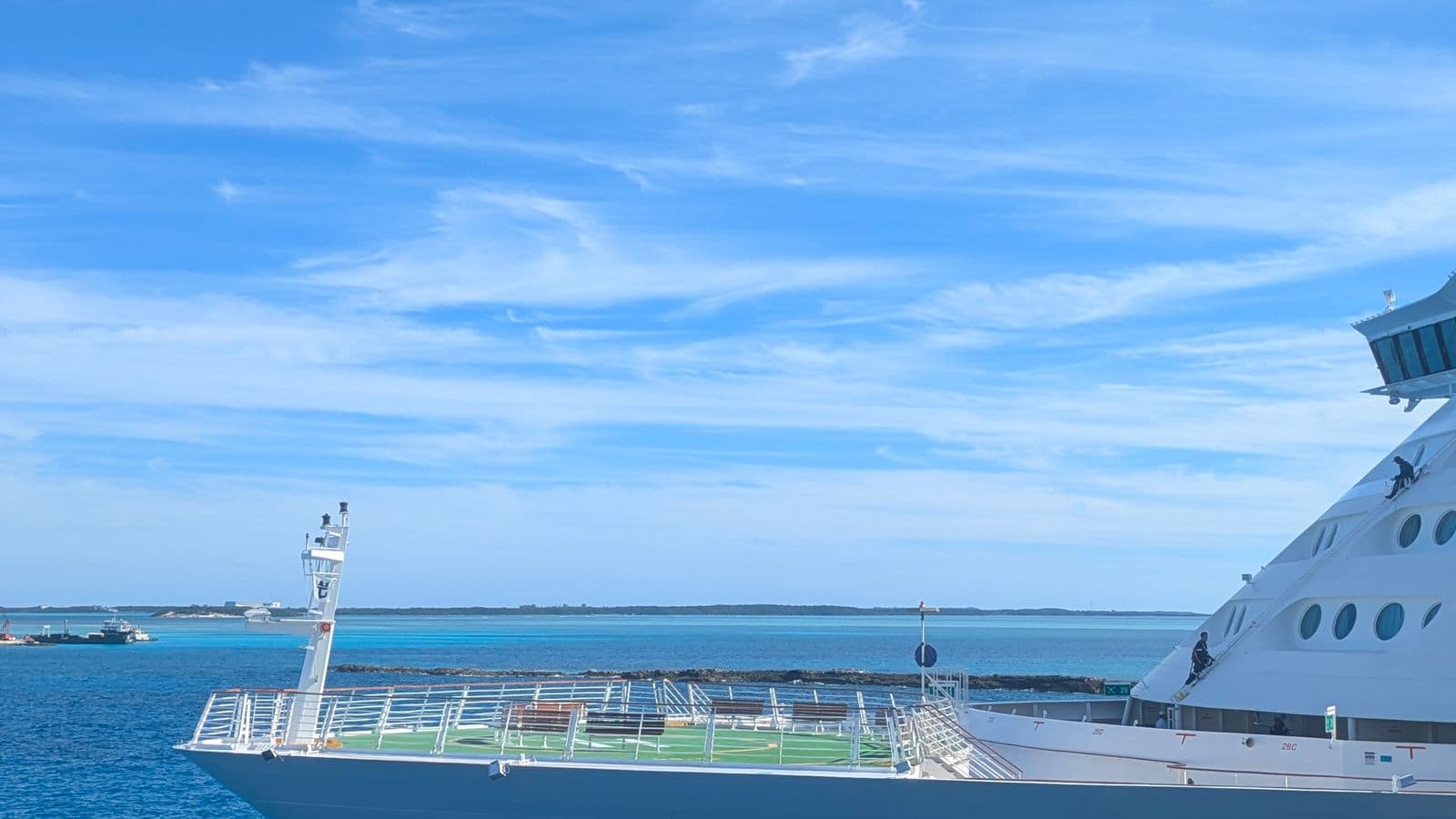
Cruising is one of the fastest-growing segments of the travel industry, and for good reason. You unpack once, wake up in a new destination every day, and your food, entertainment, and accommodations are all bundled together. But if you've never cruised before, the sheer number of cruise lines, ship sizes, itineraries, and cabin types can make the whole thing feel overwhelming.
This guide breaks down everything a first-time cruiser needs to know — from picking the right cruise line to avoiding the most common rookie mistakes.
Choosing the Right Cruise Line
Not all cruise lines are created equal, and the right one depends entirely on what kind of experience you want. Here's a quick breakdown of the major categories:
Want a shortcut? Our free Cruise Line Matcher shortlists the lines that fit your group in six quick questions, and our honest guide to choosing a cruise line walks through all eight major lines.
Family-friendly mega-ships — Royal Caribbean, Disney Cruise Line, and Carnival are designed for families and groups. Think waterslides, kids' clubs, Broadway-style shows, and dozens of dining options. These ships are floating resorts. Disney is particularly strong for families with young children, with character meet-and-greets and themed activities built into every day.
Premium and upscale — Celebrity Cruises, Holland America, and Princess offer a more refined experience. The food is better, the crowds are smaller, the entertainment is more sophisticated, and the atmosphere skews slightly older. Great for couples or adults who want relaxation with polish.
Luxury — Viking, Oceania, Silversea, and Regent Seven Seas are all-inclusive or nearly so. Smaller ships, fewer passengers, exceptional dining, and curated shore excursions. The price is higher, but almost everything is included. These are ideal for travelers who value quality over quantity.
Adventure and expedition — Lines like Hurtigruten and Lindblad focus on destinations like Alaska, Antarctica, the Galapagos, and the Norwegian fjords. Smaller ships, expert-led excursions, and an emphasis on nature and culture rather than onboard entertainment.
What's Actually Included in the Price
One of the biggest misconceptions about cruising is that "everything's included." The base fare typically covers your cabin, main dining room meals, buffet, basic entertainment (shows, pools, fitness center), and port visits. But several things usually cost extra.
Gratuities run $14-20 per person per day on most cruise lines and are automatically added to your onboard account. Specialty dining — the steak house, sushi bar, or chef's table — typically costs $25-75 per person. Shore excursions booked through the cruise line run $50-200+ per person per port. Drink packages for unlimited alcoholic beverages range from $60-100 per person per day. WiFi is $10-20/day for basic, more for streaming-quality connections. And the spa and fitness classes are pay-per-use on most ships.
A travel agent can help you understand the true cost of your cruise and find promotions that bundle extras in — like onboard credit, free drink packages, or included gratuities.
Picking the Right Cabin
Cabin selection matters more than most first-timers realize. There are four main types:
Inside cabins have no window and are the most affordable. They're perfectly fine if you plan to spend most of your time out on the ship or in port. Many experienced cruisers prefer them because the room is just for sleeping.
Ocean-view cabins have a window (sometimes a porthole) that lets in natural light. A nice middle ground if you don't want to pay for a balcony but don't love the idea of no window.
Balcony cabins give you a private outdoor space. This is the sweet spot for most cruisers — morning coffee watching the ocean, evening drinks as you sail into port. Worth the upgrade if it fits your budget.
Suites offer more space, separate living areas, premium perks (priority boarding, concierge service, better restaurant access), and the best locations on the ship. Great for special occasions.
Location tip: Mid-ship cabins on lower decks feel the least motion. If you're prone to seasickness, avoid the very front (bow) and very back (stern) of the ship, and choose a lower deck.
Planning Your Itinerary
The Caribbean is the most popular first-cruise destination for good reason — warm weather, short flights from most US cities, and a huge variety of itineraries. Eastern Caribbean (St. Thomas, St. Maarten, Nassau) and Western Caribbean (Cozumel, Grand Cayman, Jamaica) are both great starter itineraries. If you're weighing a cruise against a land-based week, our breakdown of all-inclusive Caribbean vs Mexico vs Hawaii compares 7-night cost per person and what each region actually delivers.
Alaska is spectacular from May through September, with glaciers, wildlife, and stunning scenery. It tends to attract a slightly older and more nature-focused crowd. Mediterranean cruises let you see multiple countries in one trip — Italy, Greece, Croatia, Spain — without constantly packing and unpacking. Short cruises (3-5 nights) are a great way to test cruising without committing to a full week.
What to Pack
Overpacking is the number one first-timer mistake. Cruise cabins are compact, and you'll wear the same few outfits repeatedly. Here are the essentials:
Comfortable walking shoes for port days, swimwear and a cover-up, casual daytime clothes, one or two nicer outfits for formal or "elegant" nights, a light jacket or sweater (ships can be cold), sunscreen and sunglasses, a small daypack for excursions, medications (including motion sickness remedies), and a lanyard for your cruise card (it doubles as your room key, payment method, and ID onboard).
Leave at home: irons and steamers (banned on most ships), surge protectors with exposed prongs (most ships only allow non-surge power strips), and excessive luggage.
Common First-Timer Mistakes
Booking the cheapest cabin without research. An inside cabin next to the nightclub or engine room can ruin a cruise. Location and deck matter as much as cabin type.
Not budgeting for extras. That "$800 cruise" can easily become $2,000 once you add gratuities, drinks, excursions, and specialty dining. Know the true cost before you board.
Missing the ship. This happens more often than you'd think. If you're booking your own excursions in port, always give yourself at least an hour buffer before the ship's departure time. The ship will leave without you.
Ignoring sea days. Some itineraries have multiple days at sea with no port stops. If you get restless easily, look for itineraries with more port-intensive schedules.
Skipping travel insurance. A missed flight, a medical emergency, or a last-minute cancellation can cost thousands. Travel insurance for a cruise is affordable and worth every penny.
Why Book Through a Travel Agent
Cruise lines offer the same base prices to everyone — booking direct doesn't save money. But booking through a travel agent often gets you more: onboard credit, cabin upgrades, bundled drink packages, priority dining, and expert guidance on which ship, itinerary, and cabin are actually right for you.
A good travel agent also monitors for price drops after you book and handles rebooking if a better deal appears. And if something goes wrong — a cancelled sailing, a cabin issue, a medical situation — you have someone in your corner who knows how to navigate the cruise line's systems.
Ready to Book Your First Cruise?
At Travel Connects, we help first-time cruisers navigate every decision — from choosing the right ship to picking the best cabin location to planning shore excursions that are actually worth your time. Our planning services are free (we're compensated by the cruise line, not you), and we make sure you board with confidence instead of confusion.